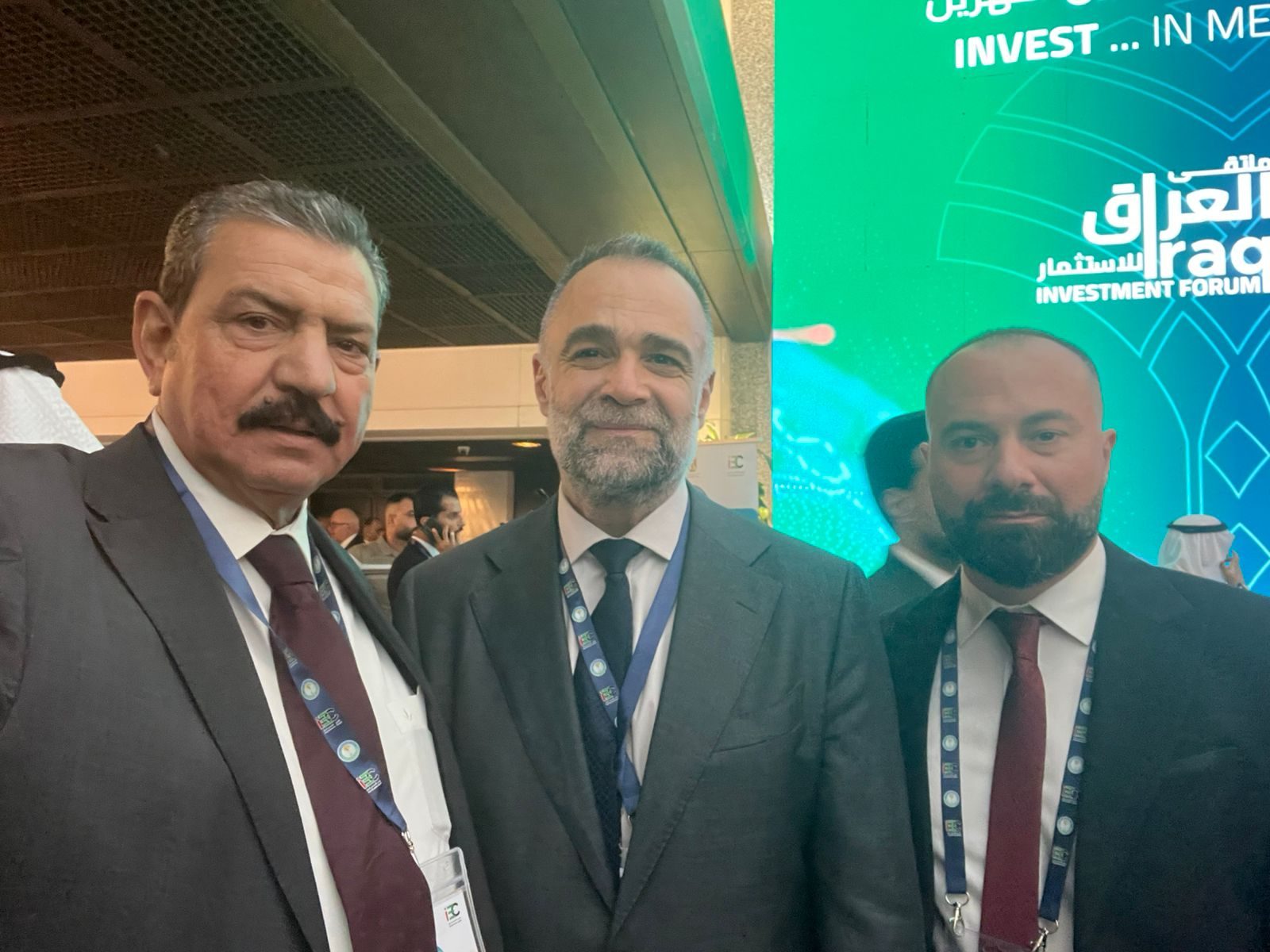
Iraq has officially launched its National Disability Inclusion Strategy for Children and Young People for the years 2026-2030, marking a significant milestone on the International Day of Persons with Disabilities. The event took place at the Al-Mansour Hotel in Baghdad, where key figures, including Minister of Labour and Social Affairs Ahmed Al-Asadi, representatives from the Commission for the Rights of Persons with Disabilities, UNICEF, and the KfW Development Bank, gathered to advocate for the rights of children and young people with disabilities.
This comprehensive strategy aims to ensure that children and young people with disabilities have access to essential services such as health care, education, protection, and opportunities for community engagement. Minister Al-Asadi emphasized that the strategy will facilitate integrated health services, inclusive education, equitable social protection, accessible infrastructure, and digital access, all supported by a robust monitoring system to ensure effective implementation in collaboration with organizations representing persons with disabilities.
The initiative seeks to dismantle the structural barriers that hinder many children and young people with disabilities from fully participating in their communities. It also underscores Iraq's commitment to enhancing legislation, improving disability data, and promoting equal opportunities for both girls and boys with disabilities.
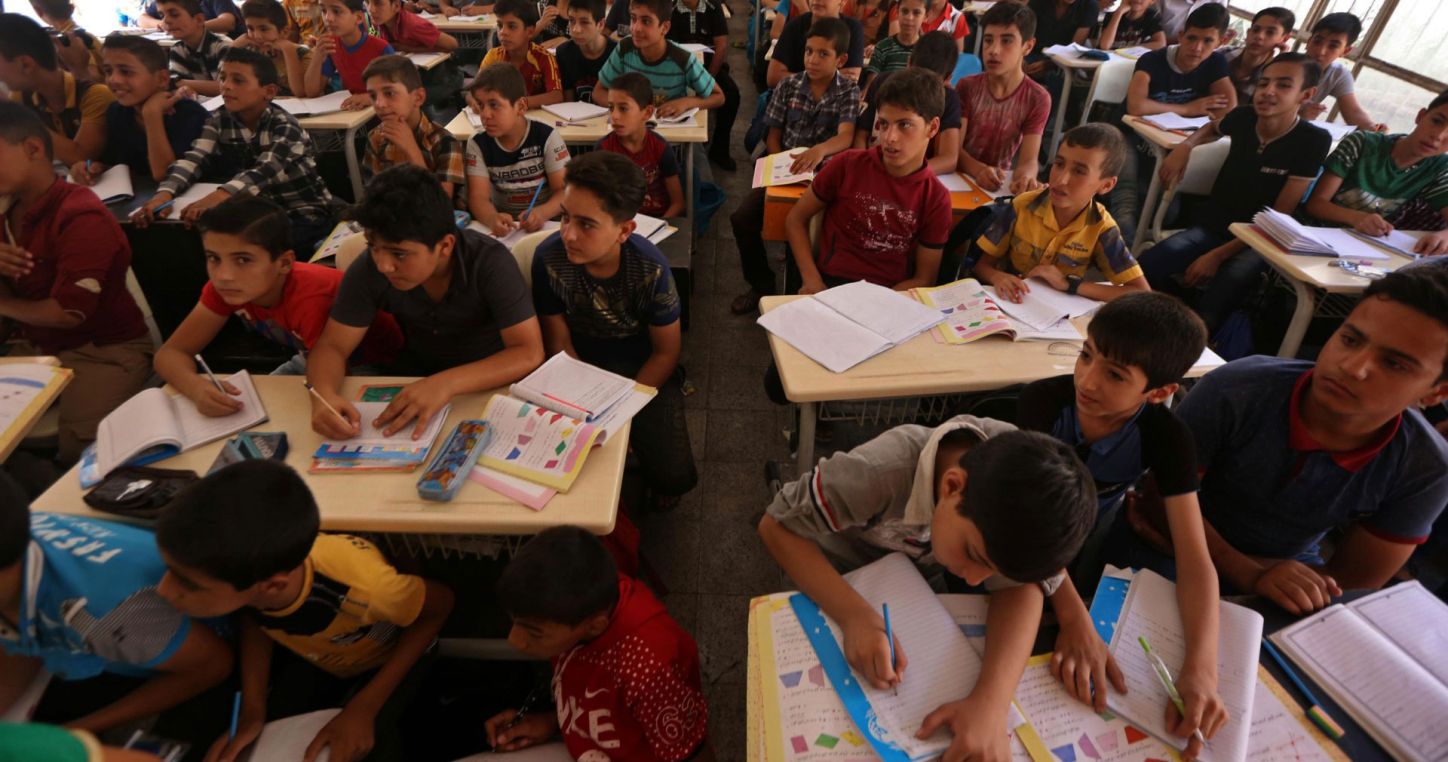
Christian Skoog, UNICEF Representative in Iraq, highlighted the importance of inclusion, stating, "Every child has the right to grow, learn, and thrive, including the thousands of boys and girls living with disabilities." He commended the Iraqi government for this pivotal step, asserting that children with disabilities are not a separate entity but rather an integral part of the community. True inclusion, he noted, means ensuring that every classroom, playground, and opportunity is accessible to all children.
UNICEF has played a crucial role in the development of this strategy, collaborating closely with the Ministry of Labour and Social Affairs and the Commission for the Rights of Persons with Disabilities to provide technical support, evidence, and capacity building. The Government of Germany, through the KfW Development Bank, has also been instrumental in promoting disability inclusion in Iraq, supporting national efforts to enhance inclusive services for children and young people with disabilities.
As Iraq embarks on the implementation of this strategy, UNICEF is committed to continuing its support for national partners, ensuring that every child and young person with a disability can access their rights and achieve their full potential.